
Nitric Boost Ultra vs L-Arginine Alone: Which Works Better for Nitric Oxide Support?
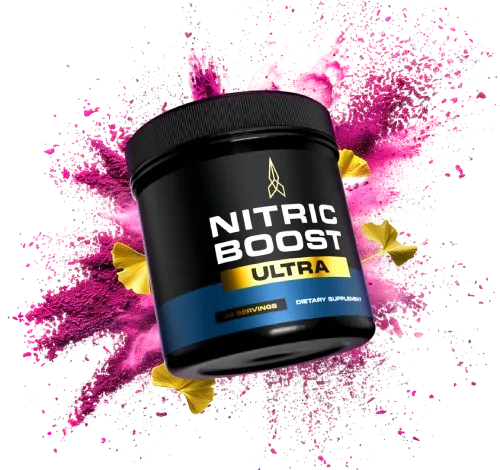
Nitric Boost Ultra vs L-arginine alone explained — understanding how multi-ingredient nitric oxide support differs from single-compound supplementation.
In this guide:
Nitric Boost Ultra vs L-arginine alone is one of the most common comparisons buyers make when evaluating nitric oxide support. If L-arginine helps produce nitric oxide, shouldn't it be enough on its own?
In practice, nitric oxide physiology is more complex. Circulation support depends on precursor availability, enzyme activity, nitric oxide stability, and how efficiently blood vessels react once signaling begins.
This guide compares both approaches side by side — and explains when a multi-ingredient formula may offer broader support. For a deeper look at the full formula, read the Nitric Boost Ultra review.
Quick Answer
Does Nitric Boost Ultra work better than L-arginine alone?
Multi-ingredient nitric oxide formulas like Nitric Boost Ultra address multiple steps in NO production, vascular responsiveness, and circulation efficiency — rather than relying on a single amino acid.
When does L-arginine alone make sense?
L-arginine alone may suit beginners, short-term experimentation, or budget-constrained buyers. For consistent long-term circulation support, multi-pathway formulas tend to show broader physiological coverage.
What Is L-Arginine and How Does It Work?
The role of L-arginine in nitric oxide production
L-arginine is a widely recognized amino acid involved in nitric oxide production. Inside the body, L-arginine acts as a precursor that nitric oxide synthase enzymes use to generate nitric oxide. This molecule signals smooth muscle cells in blood vessels to relax, allowing vessels to widen — a process known as vasodilation.
Vasodilation supports circulation efficiency by improving blood flow and oxygen delivery to tissues. Because of this function, L-arginine has long been used as a foundational compound in nitric oxide supplementation.
However, nitric oxide production depends on more than simply increasing precursor intake. The efficiency of this pathway also relies on enzyme function, cellular environment, and vascular responsiveness.
Why L-arginine alone may not be enough
Although L-arginine is essential for nitric oxide synthesis, several physiological factors can limit how effectively it performs when used alone.
One major factor is enzyme activity. If nitric oxide synthase enzymes are not functioning optimally, increasing L-arginine intake does not always result in proportional increases in nitric oxide production.
Another limitation involves metabolic competition. L-arginine participates in multiple biochemical pathways, meaning some of the supplemented amount may be diverted into unrelated functions rather than nitric oxide production.
Oxidative stress also plays a role. Even when nitric oxide is generated, it can degrade quickly if antioxidant balance is insufficient, reducing its functional lifespan within the vascular system.
These combined factors explain why L-arginine alone may produce inconsistent results in some individuals.
Common limitations of single-ingredient approaches
Single-ingredient supplementation focuses on one mechanism while leaving supporting processes unaddressed. In nitric oxide physiology, this may result in:
- Limited enzyme support
- Reduced nitric oxide stability
- Lower vascular responsiveness
- Variable circulation outcomes
These limitations highlight why additional supportive pathways are often considered in more advanced nitric oxide strategies.
What Makes Nitric Boost Ultra Different From L-Arginine Alone?
Multi-stage nitric oxide support
Nitric Boost Ultra is structured to support nitric oxide production across multiple stages rather than relying exclusively on precursor supply. This multi-stage approach reflects how nitric oxide functions in real biological systems, where several coordinated steps determine final output.
Instead of targeting only one point, multi-stage formulas aim to support:
- Precursor utilization
- Enzyme efficiency
- Nitric oxide preservation
- Vascular response mechanisms
Supporting these interconnected stages may contribute to more consistent nitric oxide activity compared to single-compound supplementation.
Many individuals comparing nitric oxide options choose to check the official Nitric Boost Ultra website for full formula details to understand how its ingredients are structured across multiple pathways.
Supporting blood vessel function
Nitric oxide is only effective when blood vessels respond appropriately to its signals. Vessel elasticity, endothelial health, and responsiveness all influence how efficiently nitric oxide produces measurable circulation effects.
Supporting vascular function involves more than generating nitric oxide. It also includes maintaining the structural responsiveness of blood vessels so that vasodilation can occur efficiently.
Multi-ingredient nitric oxide formulas often include components designed to support:
- Endothelial responsiveness
- Vessel relaxation capacity
- Circulation dynamics
- Oxygen delivery efficiency
These structural factors help explain why nitric oxide strategies frequently extend beyond precursor supplementation alone.
Ingredient synergy vs single-compound supplementation
Ingredient synergy describes how multiple compounds interact to support interconnected biological processes. Rather than working independently, each component supports a specific stage that contributes to the overall nitric oxide response.
For example:
- Precursors support nitric oxide generation
- Stabilizing compounds help preserve nitric oxide activity
- Circulatory-support ingredients improve vascular responsiveness
This coordinated interaction is difficult to achieve using a single amino acid alone.
Multi-Ingredient vs Single-Ingredient: What Science Suggests
| Criteria | L-Arginine Alone | Nitric Boost Ultra (Multi-Ingredient) |
|---|---|---|
| NO precursor supply | Direct (single pathway) | Multiple precursors + cofactors |
| Enzyme support | Not addressed | Supports NOS enzyme activity |
| NO stability | Degrades quickly without antioxidant support | Antioxidant compounds help preserve NO |
| Vascular responsiveness | Limited (precursor only) | Supports endothelial + vessel relaxation |
| Long-term consistency | Variable results reported | Designed for sustained daily support |
| Cost | Lower (single ingredient) | Higher (multi-pathway formula) |
| Best for | Beginners, short-term, budget | Consistent long-term circulation goals |
Supporting nitric oxide synthesis
Scientific understanding of nitric oxide biology shows that production efficiency depends on coordinated biochemical support. While L-arginine supplies a necessary precursor, optimal nitric oxide production often requires supporting enzyme function and maintaining favorable cellular conditions.
Multi-ingredient strategies attempt to address these variables together, which reflects how nitric oxide production operates within biological systems.
Readers evaluating advanced nitric oxide strategies often choose to see how Nitric Boost Ultra combines multiple nitric oxide pathways in one formula for a clearer view of how layered support is implemented.
Supporting vascular responsiveness
Vascular responsiveness determines how effectively blood vessels react once nitric oxide signals are produced. Even when nitric oxide levels increase, reduced vessel responsiveness can limit functional results.
Maintaining vascular flexibility and responsiveness influences:
- Circulation efficiency
- Blood flow distribution
- Tissue oxygenation
- Adaptive vascular response
These factors help explain why nitric oxide supplementation strategies increasingly emphasize both production and response mechanisms.
When L-Arginine Alone May Still Be Useful
Beginner supplementation
For individuals new to nitric oxide supplementation, L-arginine alone may serve as an introductory option. It offers a simple method of supporting nitric oxide production without the complexity associated with multi-ingredient formulas.
Some users prefer starting with single ingredients to observe individual tolerance before progressing to more comprehensive strategies.
Short-term nitric oxide support
Short-term supplementation may also favor simpler formulations. Individuals experimenting with nitric oxide support over brief periods may choose single-ingredient products to evaluate initial response.
However, short-term results may not reflect the requirements for sustained vascular performance or long-term nitric oxide efficiency.
Budget considerations
Cost considerations often influence supplement selection. Single-ingredient products are generally less expensive than multi-ingredient formulations, making them an accessible starting point for individuals prioritizing budget efficiency.
Even so, many users evaluating long-term value consider formulation complexity and ingredient transparency before making a final decision.
Final Verdict: Nitric Boost Ultra vs L-Arginine Alone
L-arginine remains an important precursor in nitric oxide production, but nitric oxide performance depends on more than a single amino acid. Enzyme activity, vascular responsiveness, and nitric oxide stability all influence final circulation outcomes.
Multi-ingredient formulas such as Nitric Boost Ultra are designed to support these interconnected processes simultaneously, which is why many individuals prefer them when consistency and long-term nitric oxide support are the primary goals.
For those comparing nitric oxide strategies, many users choose to visit the official Nitric Boost Ultra website to check availability and bundle options before making a final decision.
Secure Checkout + Exclusive Bundles
Tip: Compare the full formula structure before deciding between a complete nitric oxide system and a single ingredient
FAQs
Can L-arginine replace nitric oxide supplements?
L-arginine can support nitric oxide production because it provides a direct precursor. However, nitric oxide physiology involves multiple steps beyond precursor availability, including enzyme activity and vascular responsiveness. Multi-ingredient formulas are often structured to support these additional processes.
Is Nitric Boost Ultra stronger than pure L-arginine?
Effectiveness depends on formulation design rather than ingredient quantity alone. Multi-ingredient nitric oxide formulas support multiple biological stages simultaneously, which may contribute to broader physiological support compared to single-ingredient L-arginine.
Can both be used together?
Some individuals consider combining single-ingredient supplements with multi-ingredient formulas. However, combining products requires careful review of ingredient overlap to avoid unnecessary duplication. Evaluating formulation transparency is recommended before combining nitric oxide supplements.
How long does it take to notice results from nitric oxide supplements?
Most users report noticing initial changes within 2–4 weeks of consistent daily use. Full results typically develop over 6–8 weeks as vascular responsiveness and nitric oxide cycling stabilize. Single-ingredient options may show faster but less consistent initial response.
Does L-arginine have side effects?
L-arginine is generally well tolerated at standard doses. Some individuals may experience digestive discomfort, bloating, or mild diarrhea. At high doses, it may affect blood pressure. Always start with recommended amounts and monitor your response.
When should I consult a doctor before taking nitric oxide supplements?
Consult a healthcare professional before taking any nitric oxide supplement if you are on blood pressure medication, blood thinners, or have a cardiovascular condition. Individuals with low blood pressure or those scheduled for surgery should also seek medical guidance first.
Reviewed by: The Supplement Post Editorial Team, Editorial Review — Last updated:
About Luciano Andreoti
Luciano Andreoti is a contributor at The Supplement Post, supporting the production of evidence-aware supplement reviews and buyer's guides across multiple health categories. His work spans ingredient analysis, formulation assessment and consumer-oriented summaries — what a label discloses, how the stated doses compare with the amounts used in published human research, and whether a formula's design matches what it claims to do. Every review is checked by The Supplement Post editorial team against the standards published in our editorial policy before it goes live.
Disclosure
All content on The Supplement Post is for informational purposes only and is not a substitute for professional medical advice, diagnosis, or treatment. The products discussed are dietary supplements, not prescription drugs, and statements regarding their benefits have not been evaluated by the U.S. Food and Drug Administration (FDA). They are not intended to diagnose, treat, cure, or prevent any disease. Individual responses may vary depending on health status, consistency of use, and broader lifestyle factors. This page may contain affiliate links — if you purchase through them, The Supplement Post may earn a small commission at no additional cost to you.