
Are Gummy Supplements as Effective as Capsules for Men's Vitality?

Gummy vs capsule for men's vitality — what the science actually says about absorption, doses, and which format fits your goals.
In this guide:
Gummy supplements have exploded in the men's vitality category over the past three years. Walk into any pharmacy and you'll see colorful bottles promising stamina, blood flow, and confidence — all in chewable form.
The skepticism is fair. For decades, capsules and tablets dominated the supplement world for one reason: they could pack high doses of active ingredients into small forms. Gummies, by contrast, look more like candy than serious supplementation. So a reasonable buyer asks: are gummies actually doing anything?
The honest answer is "it depends on the formula." For some active ingredients, gummies are a perfectly valid format. For others, they sacrifice too much dose to deliver meaningful results. If you're evaluating a specific product, you can also read our full Alpha Surge review, which is one of the few gummy-format vitality formulas we've analyzed in depth.
Quick Answer
Are gummy vitality supplements effective?
Yes — but only when the formula uses ingredients that work at the doses a gummy can physically deliver. Compounds like KSM-66 ashwagandha, zinc, magnesium, and B-vitamins fit gummies well because they remain active at lower doses. Bulk amino acids like L-citrulline at clinical doses (1,250–3,000 mg) are nearly impossible to deliver through gummies.
What's the main tradeoff?
Gummies trade dose density for convenience and adherence. You get easier daily compliance and a more pleasant routine, but you lose the ability to pack high-volume actives. The right format depends on which compound is doing the heavy lifting in the formula.
The Science of Gummy vs Capsule Absorption
Most format debates skip over the actual biology. Let's start there because it cuts through the marketing on both sides.
Where digestion actually starts
When you swallow a capsule, it travels intact to the stomach. The gelatin or HPMC shell dissolves in stomach acid (typically within 15–30 minutes), releasing the active ingredients. Those ingredients then move to the small intestine for absorption.
Gummies work differently. The chewing process begins breaking down the gelling matrix, and saliva starts dissolving sugars and water-soluble compounds before the gummy even reaches the stomach. For certain ingredients, this earlier exposure can mean faster blood-level rises.
Why this matters for some ingredients more than others
Sublingual absorption — the route some compounds take through tissues in the mouth before swallowing — bypasses first-pass liver metabolism. For ingredients that get heavily metabolized in the liver, this is a meaningful advantage. B-vitamins, certain herbal extracts, and small peptides can benefit from this route.
For other compounds, the digestion site barely matters. Magnesium, zinc, and most botanical extracts absorb at similar rates whether delivered as gummy or capsule. The format becomes a question of convenience, not bioavailability.
The dose ceiling problem
This is where format starts mattering more than absorption science. Each gummy is physically limited to about 2–3 grams of total mass — most of which is sugar, gelatin, water, flavor, and color. The active ingredient typically gets 50–250 mg of that real estate per gummy.
A standard two-capsule serving, by contrast, easily delivers 1,000–1,600 mg of active material. For ingredients that need bulk doses to work (citrulline, creatine, beta-alanine, fish oil), this gap is the difference between a meaningful effect and a nominal one.
What You Sacrifice in Gummies (Honest Tradeoffs)
Let's be direct about the cost side. Gummies have real limitations that the marketing rarely acknowledges.
Lower active ingredient doses
The dose ceiling described above is the biggest one. If you've been using capsules with 1,000+ mg of an active compound, switching to a gummy version means accepting a smaller dose unless you take many gummies per day.
Manufacturers handle this in two ways. The honest path is to choose ingredients that work at gummy-friendly doses. The less honest path is to use the same ingredients as capsule competitors at much lower doses and rely on marketing to obscure the difference.
Sugar content and daily intake
Most gummies contain 1–3 grams of sugar each. If a serving is 2–3 gummies daily, you're adding 3–9 grams of sugar to your diet. For someone otherwise watching carbohydrate intake, this matters.
Sugar-free gummies exist (using stevia, monk fruit, or sugar alcohols) but they tend to have a different texture and can cause GI discomfort in sensitive users. There's a real reason most gummies still use sugar: it works.
Stability and shelf life
Gummies are more sensitive to heat, humidity, and oxidation than capsules. Active ingredients in gummies can degrade faster, particularly in humid climates or warm storage conditions. Reputable brands account for this with overformulation and protective packaging, but it's still a real difference.
What You Gain in Gummies (Real Advantages)
The case for gummies is more than just convenience marketing. There are genuine functional reasons gummies work for some buyers.
Adherence: the underrated variable
The best supplement protocol is the one you actually follow. Studies on supplement adherence consistently show that taste, format, and ritual matter more than most users realize. People skip capsules. People rarely skip something that tastes good.
For supplements that require 4–8 weeks of daily use to show results, adherence is often the difference between "the formula works" and "it didn't do anything for me." A gummy you take every morning will outperform a capsule you take 4 days a week.
Easier for people who struggle with pills
A surprising number of adults — particularly those over 60 — have difficulty swallowing capsules. Pill anxiety is real, and dry-swallow attempts can cause genuine discomfort. Gummies eliminate this completely.
Lower upfront commitment for testing
Many men resist trying men's vitality supplements because the format feels clinical or medicalized. Gummies lower that psychological barrier. For first-time buyers in this category, a gummy format can be the on-ramp that gets them to actually start a routine.
Who Should Choose Gummy Format
Format selection should match your specific situation. Here's how to think about it.
Gummies fit best for:
- Users who struggle with capsule adherence or have skipped supplement routines in the past
- People with mild pill aversion or swallowing difficulties
- First-time supplement buyers who want a low-commitment entry point
- Formulas built around ingredients that work at modest doses (adaptogens, vitamins, minerals)
Capsules fit better for:
- Users targeting clinical doses of high-volume ingredients (citrulline, arginine, creatine)
- People who want zero added sugar in their supplement routine
- Users in hot or humid climates where gummy stability becomes a real factor
- Stack builders who take multiple supplements and need predictable dosing
Powders and liquids: a middle ground
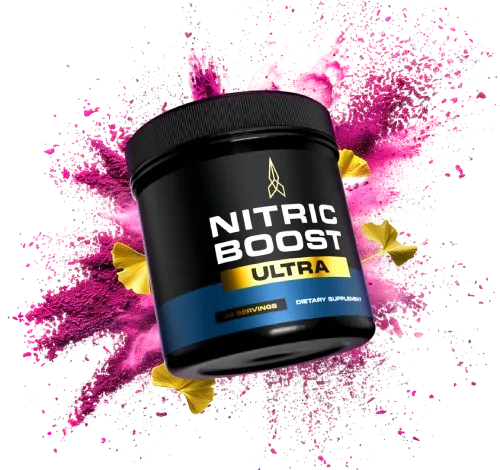
For high-dose vascular support compounds, powder formats are usually the best choice — they can deliver gram-level doses without the bulk of many capsules. If you're optimizing for nitric oxide support specifically, see our breakdown of powder vs capsule nitric oxide supplements for a deeper look at that specific decision.
Final Verdict
Gummy supplements are a legitimate format when matched to the right ingredients and the right user. They are not inherently weaker than capsules — but they are different, with real tradeoffs in dose ceiling, sugar content, and stability.
For men's vitality formulas built around adaptogens, vitamins, minerals, and modest-dose botanicals, a well-formulated gummy can deliver the same biological effects as a capsule equivalent. The deciding factor is almost always adherence: which format will you actually take every day for 8 weeks?
For men who want to test the gummy approach with a transparent ingredient label, the Alpha Surge gummy formula is one of the better-built examples in the category and a useful reference point for what a serious gummy formulation looks like.
Secure Checkout + Bundle Pricing
Tip: Compare ingredient transparency across both gummy and capsule options before committing.
FAQs
Are gummy supplements absorbed differently than capsules?
Yes, but the difference is more nuanced than most marketing suggests. Gummies dissolve in the mouth and stomach earlier in digestion, which can favor compounds that benefit from sublingual absorption. Capsules generally release contents in the stomach or small intestine. Neither format is inherently better — it depends on the specific ingredient and its absorption pathway.
Why do gummy supplements typically have lower active ingredient doses?
Gummies have physical limits. Each gummy can only hold a small amount of active ingredient before sugar, gelling agents, and flavor compounds dominate the volume. A typical gummy might contain 50–250 mg of actives, while a capsule can hold 500–800 mg. To match capsule doses, you'd need to take more gummies — which raises sugar intake.
Are gummy supplements safe?
When manufactured to GMP standards in FDA-registered facilities, gummies are as safe as any other supplement format. The main considerations are sugar content (most gummies contain 1–3 g of sugar each) and the risk of overconsumption because they taste like candy. Always follow the recommended daily serving.
Can gummies replace prescription medication for men's vitality issues?
No. Gummy supplements support general wellness — they are not substitutes for prescription medications like PDE5 inhibitors. Men with diagnosed erectile dysfunction, cardiovascular conditions, or hormone imbalances should work with a healthcare provider rather than rely on supplements alone.
Should I consult a doctor before starting any men's vitality supplement?
Yes — particularly if you take blood pressure medication, blood thinners, or any prescription drug. Even natural supplements can interact with medications, and a doctor can help identify which formats and ingredients are appropriate for your specific health profile.
Reviewed by: The Supplement Post Editorial Team, Editorial Review — Last updated:
Recommended Products

About Luciano Andreoti
Luciano Andreoti is a contributor at The Supplement Post, supporting the production of evidence-aware supplement reviews and buyer's guides across multiple health categories. His work spans ingredient analysis, formulation assessment and consumer-oriented summaries — what a label discloses, how the stated doses compare with the amounts used in published human research, and whether a formula's design matches what it claims to do. Every review is checked by The Supplement Post editorial team against the standards published in our editorial policy before it goes live.
Disclosure
All content on The Supplement Post is for informational purposes only and is not a substitute for professional medical advice, diagnosis, or treatment. The products discussed are dietary supplements, not prescription drugs, and statements regarding their benefits have not been evaluated by the U.S. Food and Drug Administration (FDA). They are not intended to diagnose, treat, cure, or prevent any disease. This page may contain affiliate links — if you purchase through them, The Supplement Post may earn a small commission at no additional cost to you.